
Ministry of Health Calls for Improved Health Workers’ Welfare and Stronger Health Services as HSTP Mission Concludes in Wau
Ministry of Health Calls for Improved Health Workers’ Welfare and Stronger Health Services as HSTP Mission Concludes in Wau
Posted on: 2026-08-26. Maidodo Juma Maidodo
Ministry of Health Calls for Improved Health Workers’ Welfare and Stronger Health Services as HSTP Mission Concludes in Wau
Wau, Western Bahr el Ghazal State | Ministry of Health, Republic of South Sudan
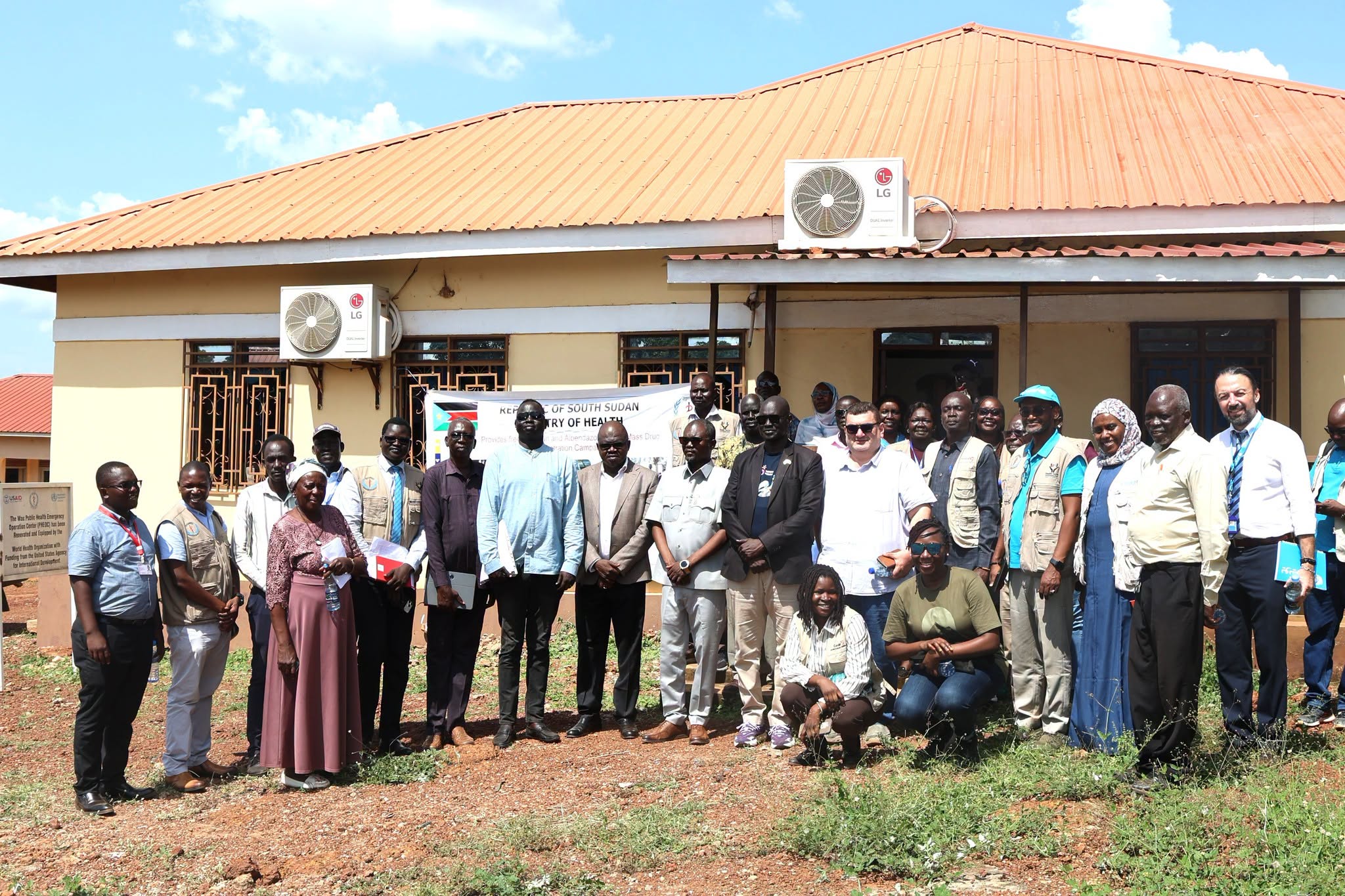
The Ministry of Health, through the Health Sector Transformation Project (HSTP), has concluded an Implementation Support Mission to Wau, Western Bahr el Ghazal State, with renewed calls to improve health workers’ welfare, strengthen essential healthcare services and increase domestic investment in the health sector.
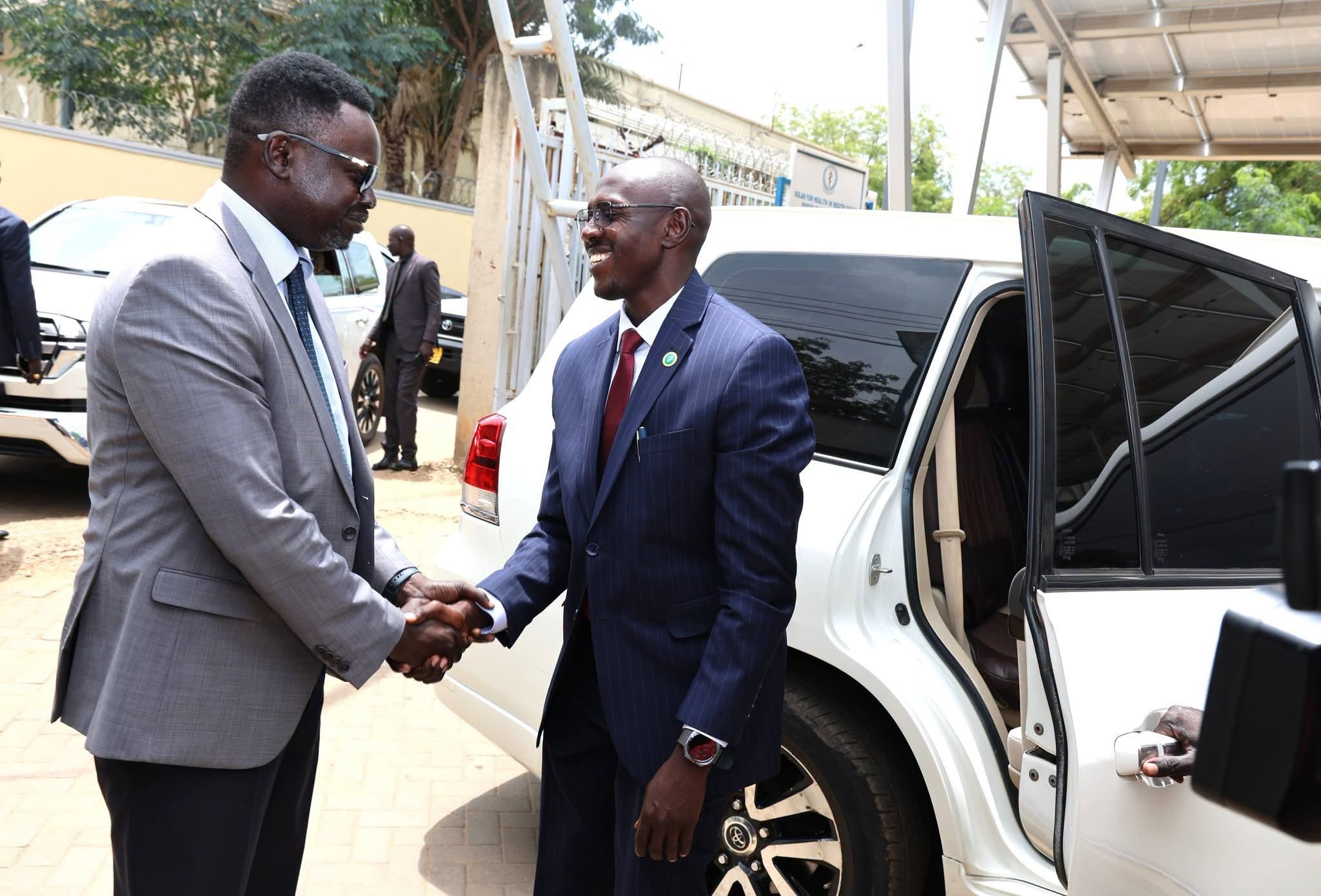
The mission, led by the Undersecretary of the National Ministry of Health, Dr. Oromo Francis, brought together national and state health authorities, implementing partners and key stakeholders to assess progress in health service delivery, identify operational challenges and agree on priority actions to strengthen healthcare services across the state.
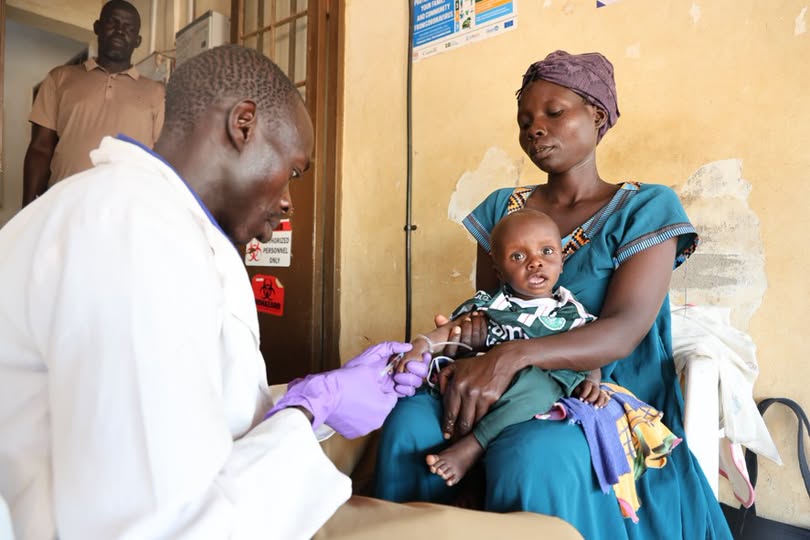
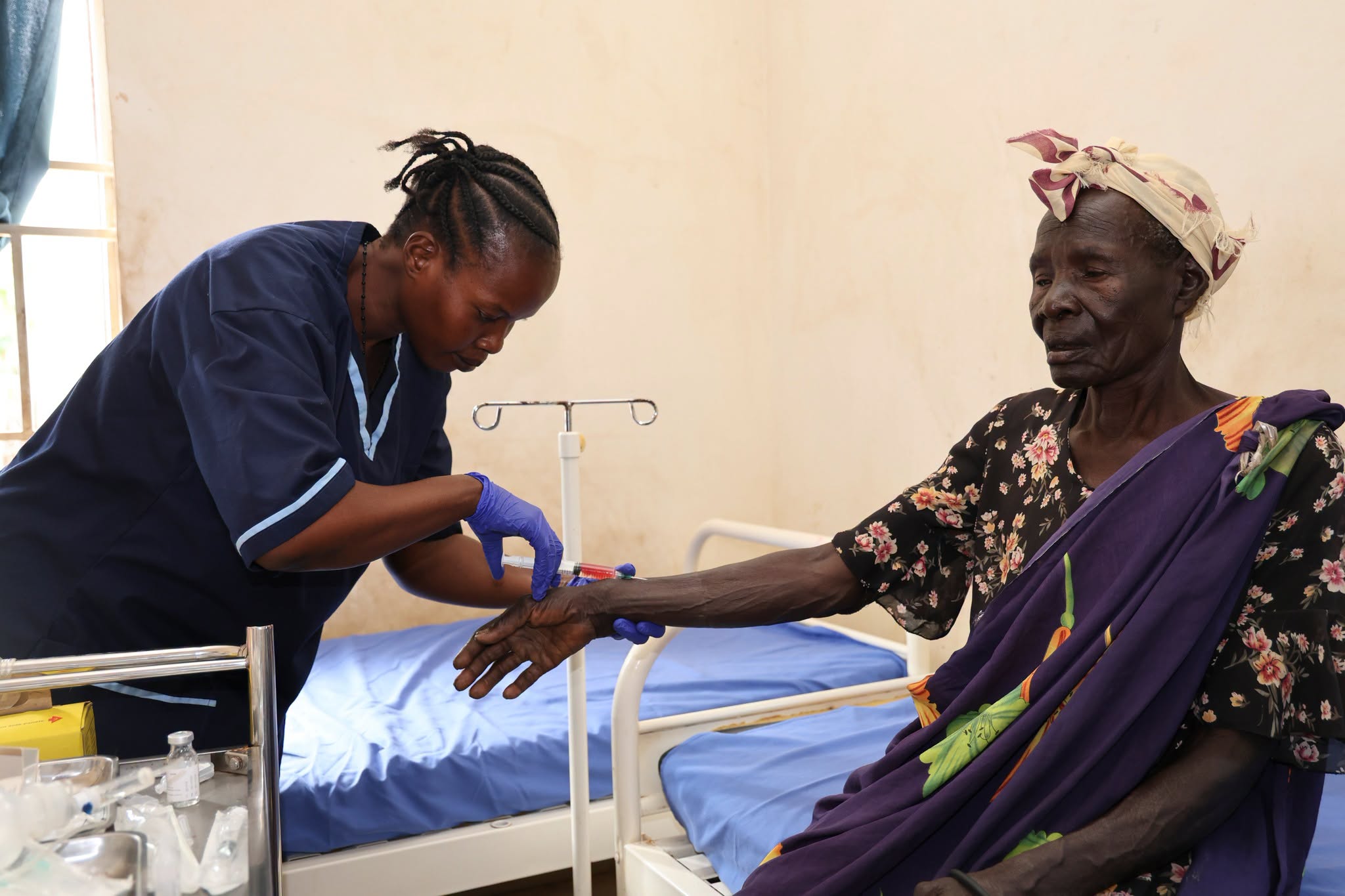
During the visit, the delegation engaged with health authorities and frontline healthcare providers to gain first-hand insights into the challenges affecting the delivery of quality and accessible healthcare services.
One of the major concerns highlighted during the mission was the delay in incentive payments to frontline health workers, which continues to affect staff motivation, retention and the effective delivery of essential health services.
The mission emphasised the urgent need to review and strengthen the existing incentive payment mechanisms to ensure that health workers receive their payments in a timely, transparent and predictable manner.
The Ministry reaffirmed the importance of safeguarding the welfare of healthcare professionals, recognising their critical role in delivering lifesaving services, particularly in underserved and hard-to-reach communities.
The mission also underscored the need to strengthen Wau Teaching Hospital and improve referral systems to ensure patients receive timely and appropriate medical care.
Key priorities identified included enhancing the capacity of health facilities, strengthening coordination between different levels of healthcare and ensuring equitable distribution of available resources to facilities serving vulnerable populations.
Particular attention was given to strengthening epidemic preparedness and response capacities, especially in border communities and hard-to-reach areas where access to essential health services remains challenging.
The delegation further emphasised the importance of sustaining the Boma Health Initiative (BHI) and supporting community health workers, who play a vital role in bringing essential healthcare services closer to households and communities.
Recognising the evolving health financing landscape, the mission called for greater government commitment to domestic health financing to strengthen the long-term sustainability of South Sudan’s healthcare system.
The discussions highlighted the importance of increasing national and state-level ownership of health services, strengthening collaboration with development partners and promoting more sustainable approaches to healthcare financing.
The mission also encouraged stronger multisectoral collaboration to address broader factors affecting community health, including access to clean water, sanitation, nutrition and other essential services.
To ensure that the mission’s findings lead to measurable improvements, the delegation stressed the importance of establishing a clear mechanism to monitor and follow up on agreed recommendations and priority actions.
This approach will strengthen accountability, improve coordination among stakeholders and support the timely resolution of challenges affecting frontline health workers, health facilities and communities.
The Ministry of Health reaffirmed its commitment to translating evidence gathered from the field into practical interventions that improve healthcare delivery and build a more responsive, equitable and resilient health system.
The Wau mission reflects the government's continued commitment to strengthening leadership, accountability and partnership in the health sector while ensuring that the needs of frontline health workers and communities remain central to health sector reforms.
About the Health Sector Transformation Project (HSTP)
The Health Sector Transformation Project (HSTP) is a government-led initiative aimed at strengthening South Sudan’s healthcare system and improving equitable access to essential health services, particularly for vulnerable and underserved populations.
The project is supported by the World Bank and a consortium of development partners, with the United Nations Children’s Fund (UNICEF) and the World Health Organization (WHO) serving as key implementing partners responsible for managing project funds and supporting implementation.
Through HSTP, the Ministry of Health continues to work with partners, state health authorities and communities to improve healthcare delivery, strengthen health systems and advance sustainable health outcomes for the people of South Sudan.
 Newly Appointed Undersecretary Pledges to Strengthen Healthcare Delivery in South Sudan
 Ministry of Health Expands Access to Essential Health and Nutrition Services Across South Sudan
 Ministry of Health Supports Treatment of Over 850,000 Malaria Cases Across South Sudan
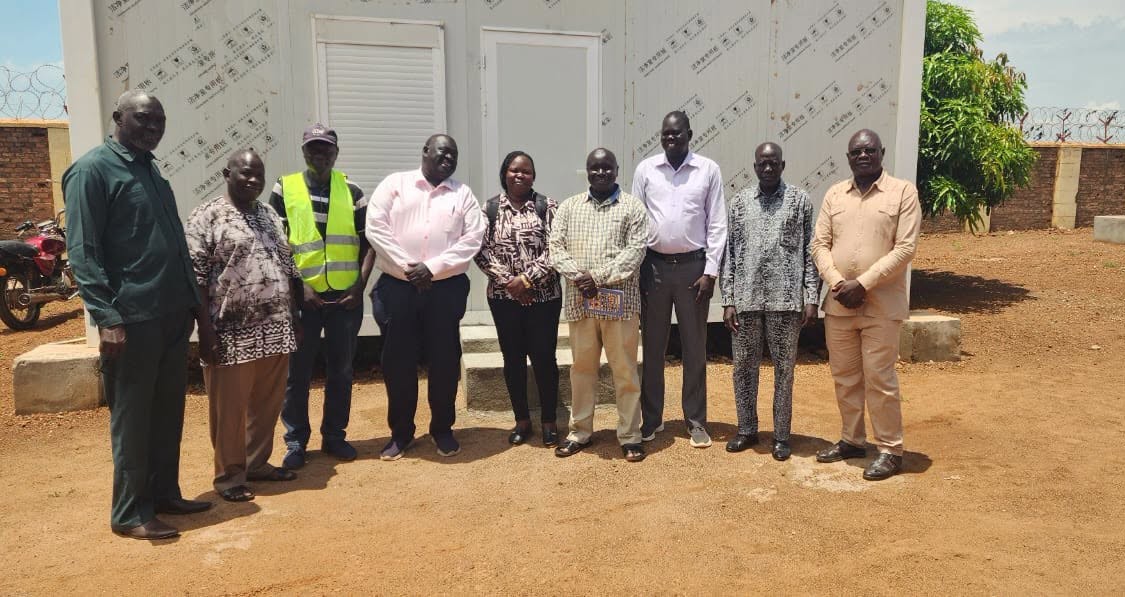 Ministry of Health Inspects Newly Rehabilitated Medical Warehouse in Wau Ahead of Handover
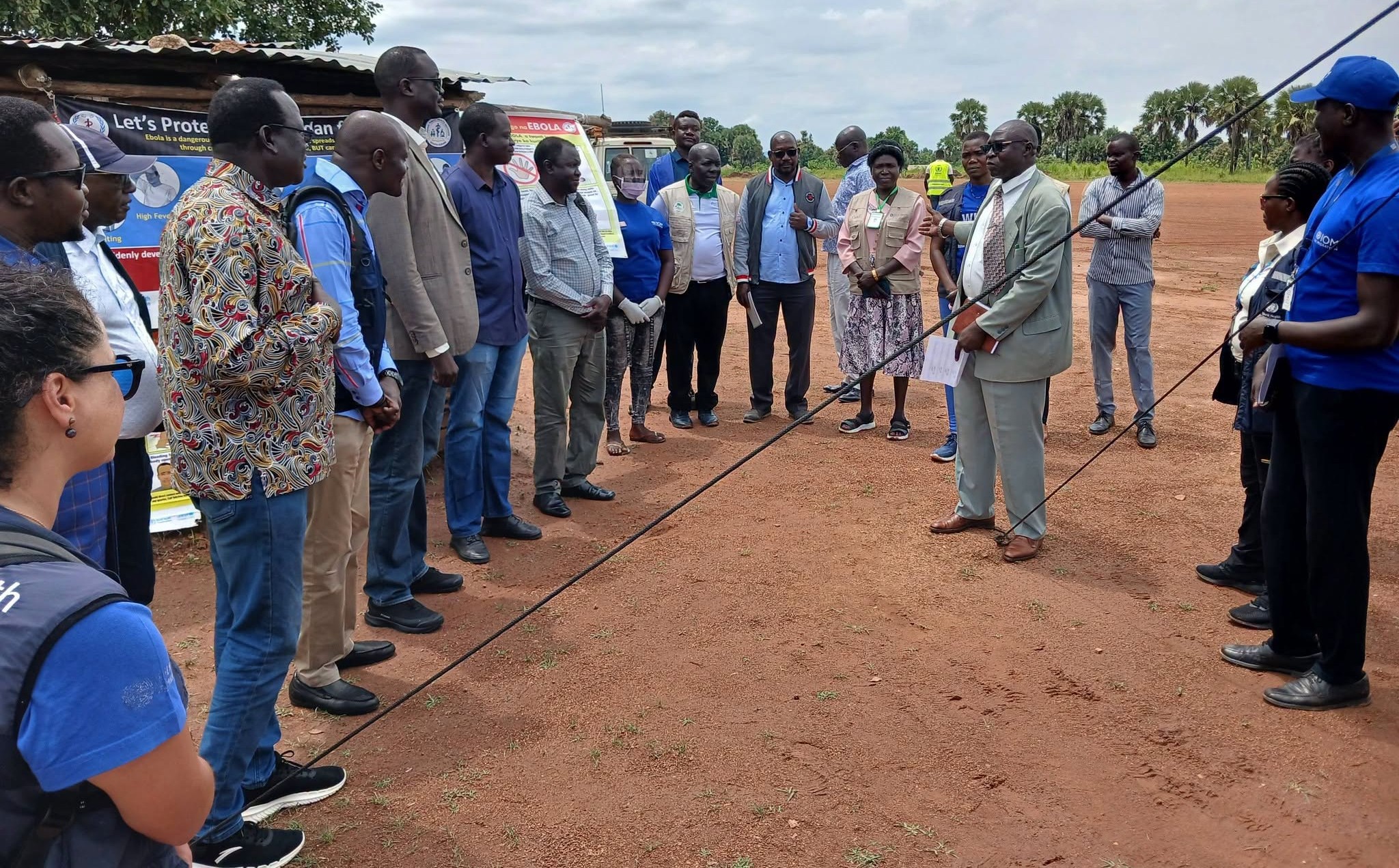 Ministry of Health and WHO Assess Bundibugyo Virus Disease Preparedness in Yei as Readiness Improves to 75.4%
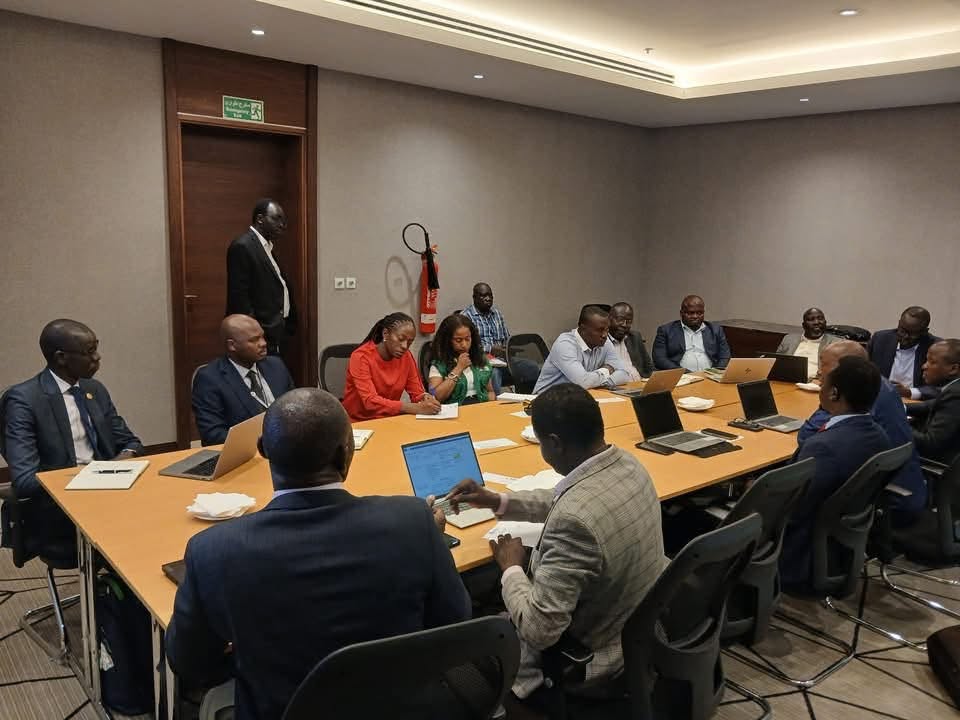 South Sudan and Uganda Strengthen Cross-Border Cooperation to Improve Health Security and Disease Preparedness
Ministry of Health Calls for Improved Health Workers’ Welfare and Stronger Health Services as HSTP Mission Concludes in Wau
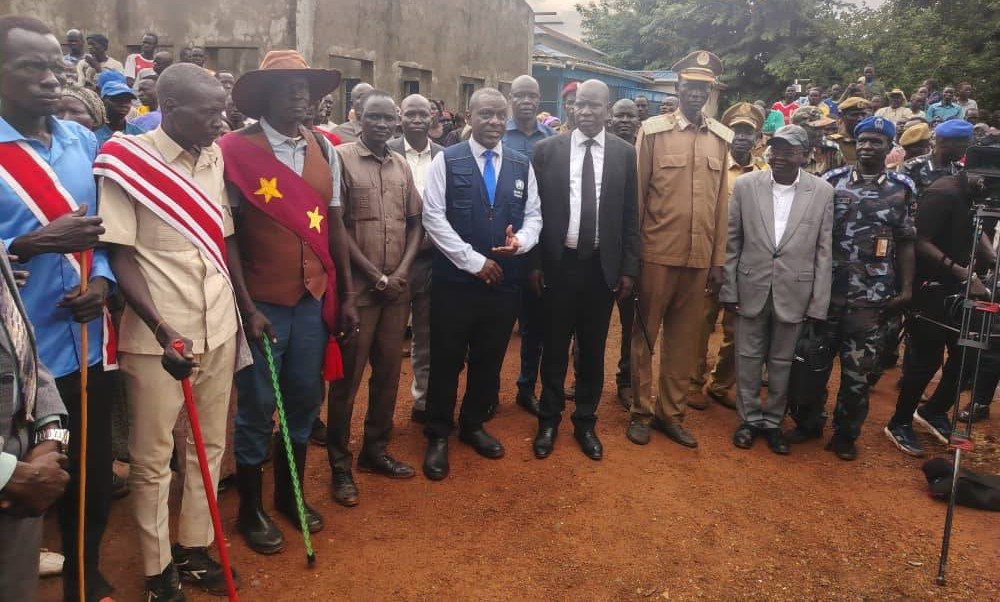 Minister of Health Leads High-Level Mission to Deliver Medical Supplies in Maiwut County
The Ministry of Health is an institution of government that works to maintain South Sudanese health by offering efficient medical facilities and humanitarian support.